
Nor Judgment will Save You
Why judgment will not be the Commodity that Saves the Lawyer

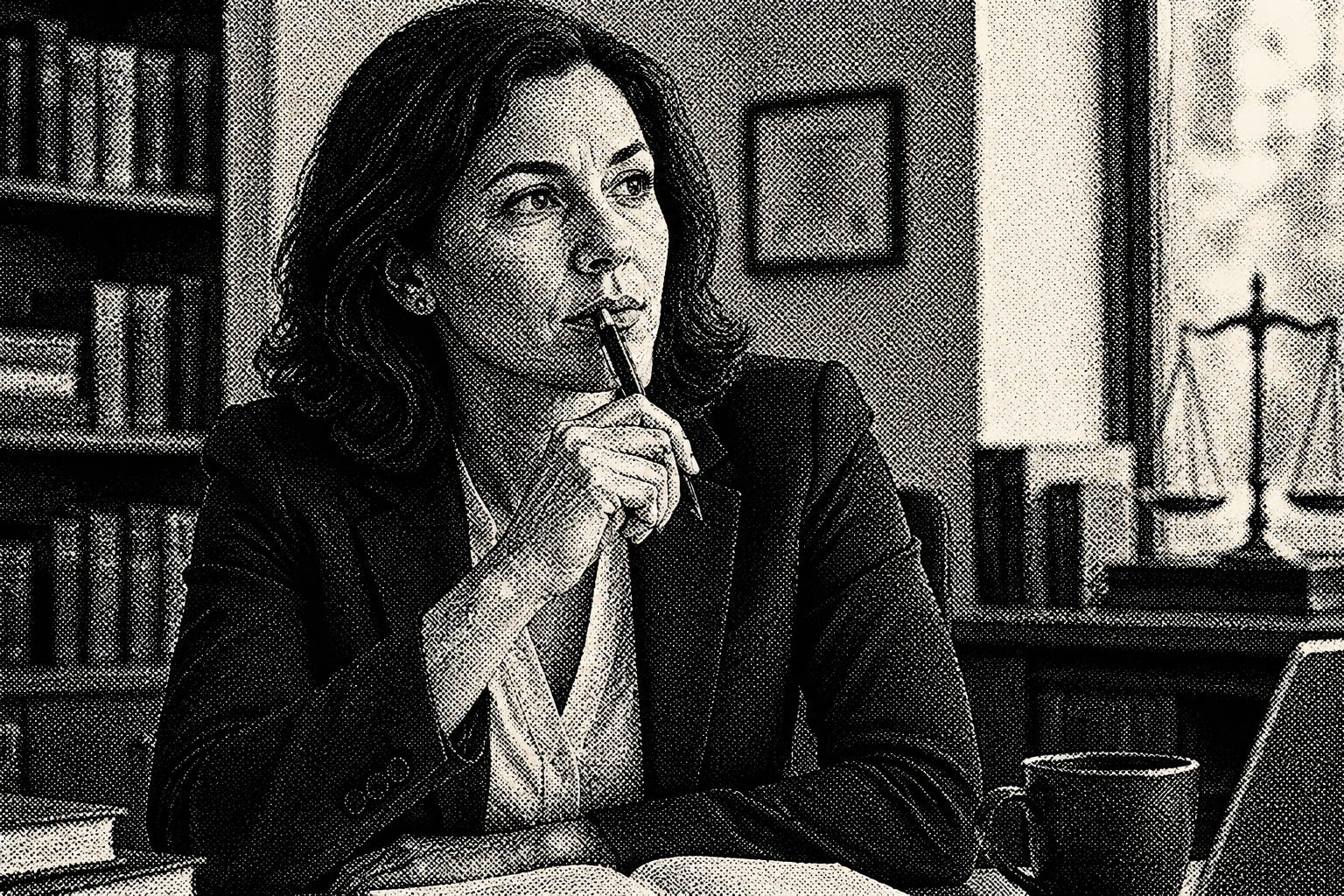
For the past two years, the legal profession has been searching for a human capability that artificial intelligence cannot replace. In my last post, I considered why “trust” cannot be that capacity. This time, I want to consider the profession’s latest answer: judgment.
Trustworthiness, recall, is not the foundation of the lawyer’s value because trust is not itself a professional capacity. It is the consequence of something deeper. Clients trust lawyers when they believe their lawyers understand their situation and can guide them wisely through it. Trust is an outcome, not a source. And it requires the kind of undivided loyalty that Cardozo recognized as essential to fiduciary relationships.
Judgment is a stronger answer, but it ultimately suffers from a similar problem. Judgment concerns choosing among alternatives, weighing competing considerations, and deciding what ought to be done. Yet before any of that can occur, someone must recognize what kind of situation they are confronting, which features are significant, what values are at stake, and what has gone unnoticed. Judgment presupposes these prior acts of perception.
That is why judgment, while indispensable, is not the foundational professional capacity. The lawyer’s distinctive contribution is not judgment alone but discernment. Discernment is the ability to perceive the meaning of a situation before deciding what to do about it. It is the capacity to recognize the importance of what has not been said, the significance of context, the presence of competing goods, and the human reality that lies beneath the legal question. The distinction matters. Judgment decides among alternatives. Discernment recognizes what the alternatives actually are.
For example, a client arrives asking for a contract. A discerning lawyer recognizes a governance problem. A client wants to file suit. A discerning lawyer recognizes a struggle for recognition, vindication, or repair. An agency seeks efficiency. A discerning lawyer recognizes a threat to legitimacy. In each case, the crucial professional act occurs before the decision. It occurs in understanding what is really happening. Trust depends upon reliable and faithful judgment, but judgment depends upon discernment.
As artificial intelligence becomes increasingly capable of producing technically proficient answers, the lawyer’s task is not merely to provide better answers. It is to perceive the right questions, recognize the relevant concerns, and understand the human realities to which those answers must respond.
Neither trust nor judgment can serve as the breakwater that saves the profession because both are downstream of something more fundamental. The profession’s future will depend upon whether lawyers can preserve and cultivate that deeper capacity: discernment. The future belongs to the discerning lawyer. It is the subject of my forthcoming book, The Discerning Lawyer, and I will have much more to say about it in the months ahead.